
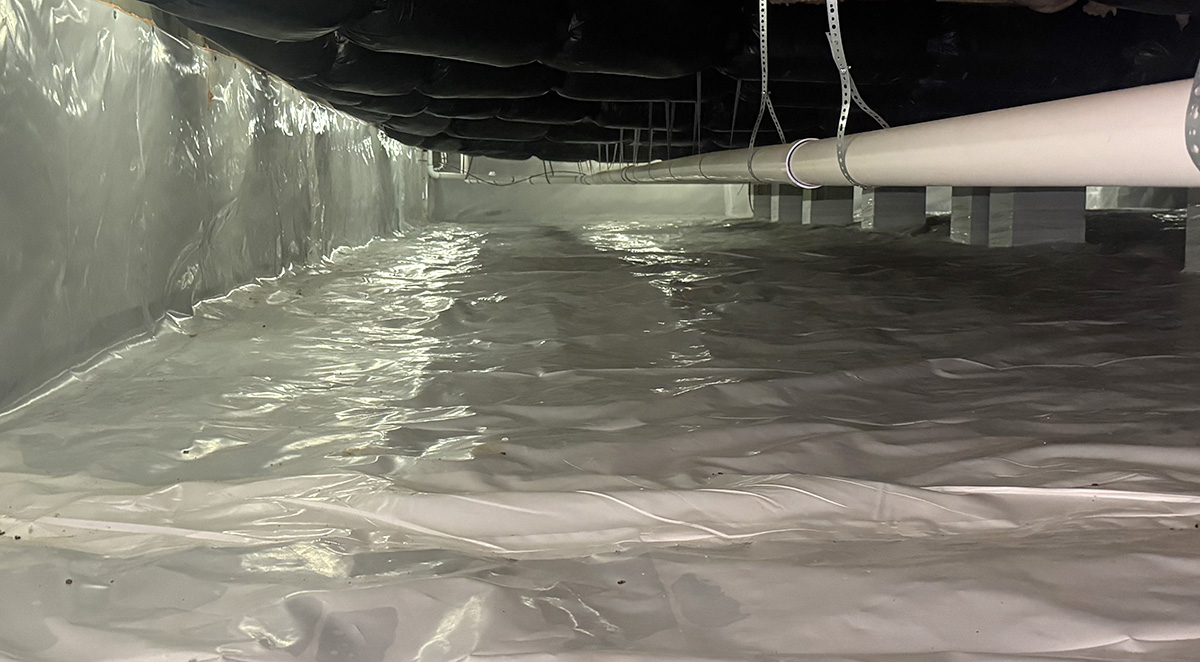
If your home sits over a vented crawl space, there's a good chance the air down there is doing your house no favors. In North Carolina's humid climate, open crawl spaces pull in damp air all summer, and that moisture works its way up into your living space, your framing, and your energy bills. Encapsulation is the fix that finally addresses the source instead of the symptoms.
Crawl space encapsulation has moved from a niche upgrade to a mainstream investment for good reason. Homeowners who seal and condition that space often notice the difference in comfort, air quality, and peace of mind within the very first season, and the benefits only compound from there.
Quick Summary:
- Encapsulation seals your crawl space with a heavy-duty vapor barrier and controls humidity, usually with a dehumidifier.
- Benefits include lower moisture, less mold and wood rot, better air quality, improved energy efficiency, and structural protection.
- It also makes your home less attractive to termites and other moisture-loving pests.
- A vapor barrier alone is not the same as full encapsulation.
- Warning signs include musty odors, high indoor humidity, sagging floors, and visible condensation.
- North Carolina's climate makes crawl space moisture a nearly universal concern for homes with this foundation type.
What Is Crawl Space Encapsulation?
Encapsulation is the process of sealing your crawl space off from outside air and ground moisture. It typically involves lining the floor and walls with a thick, durable vapor barrier, sealing vents and gaps, and adding humidity control so the space stays consistently dry.
The result is a clean, dry, conditioned area rather than a damp, dirt-floored void. Think of it as bringing the crawl space inside your home's protected envelope instead of leaving it exposed to the elements.
The Benefits of Encapsulating Your Crawl Space
The advantages stack up quickly, and they tend to reinforce one another. Here's what a properly encapsulated crawl space delivers.
Lower Moisture and Less Mold
The single biggest benefit is moisture control. By sealing out ground and outside humidity, encapsulation keeps the wood, insulation, and air below your home dry, which starves mold and mildew of the dampness they need to grow.
For homes that already have a problem, encapsulation is often paired with fungus remediation and moisture barriers to clean up existing growth and keep it from returning. Dry wood simply doesn't rot or host fungus the way damp wood does.
Better Indoor Air Quality
A large share of the air you breathe on your main floor rises up from the crawl space, a phenomenon known as the stack effect. When that space is damp and musty, those odors and spores travel with it into your living areas.
Sealing and drying the crawl space means the air moving upward is cleaner and less humid. Many homeowners notice fewer musty smells and easier breathing, especially those sensitive to mold and allergens.
Protection Against Wood-Destroying Pests
Termites, moisture ants, and wood-boring beetles are all drawn to damp wood and humid environments. A wet crawl space is practically an invitation, while a dry, sealed one removes the conditions these pests depend on.
Encapsulation won't replace termite protection, but it takes away one of the biggest attractions right under your home. That's why we so often recommend pairing it with termite control for full coverage.
Improved Energy Efficiency
Damp air is harder and more expensive to heat and cool than dry air. When your crawl space is sealed and conditioned, your HVAC system doesn't have to fight constant humidity, which can translate into steadier temperatures and lower utility bills.
Sealed crawl spaces also reduce drafts and cold floors in winter. Your home holds its conditioned air better when the space below isn't leaking outside air in.
Structural Protection
Persistent moisture is the enemy of a home's structure. Over time, damp conditions lead to wood rot, weakened joists, buckling floors, and rusted fasteners and ductwork.
Encapsulation protects the bones of your house by keeping that framing dry and stable. Catching that moisture early is far less expensive than repairing rotted joists or a failing subfloor down the road, so it's a long-term investment in both the value and the safety of the home.
Cleaner, More Usable Space
A sealed crawl space is a cleaner one. The dirt, dampness, and pests are gone, which makes the area far more pleasant for storage or for any technician who needs to service plumbing, wiring, or ductwork.
That accessibility matters more than people expect. Future repairs and inspections go faster and cost less when the space is dry and clean.
Encapsulation vs. a Vapor Barrier: What's the Difference?
These terms get used interchangeably, but they aren't the same thing. A basic vapor barrier is a plastic sheet laid over the crawl space floor to slow ground moisture, and it's better than nothing.
Full encapsulation goes further: it seals the walls and vents, uses a thicker and more durable liner, and adds active humidity control. A vapor barrier addresses part of the problem, while encapsulation addresses the whole system, which is why it delivers far more reliable, long-lasting results.
Signs Your NC Crawl Space Needs Attention
Not sure whether your home is a candidate? These are the common red flags:
- Musty or earthy odors in the house, especially on the ground floor
- High indoor humidity or a clammy feeling in warm months
- Visible condensation, standing water, or damp insulation below
- Sagging, bouncy, or uneven floors
- Buckling hardwood or peeling finishes
- More pests than usual, particularly in the lower levels of the home
If any of these sound familiar, it's worth having the space evaluated before small problems become big ones.
How Encapsulation Fits Into a Whole-Home Plan
Encapsulation rarely stands alone. Because a dry crawl space removes the conditions that attract termites and other pests, it works best as one piece of a broader protection plan for your home.
Many homeowners pair moisture control with ongoing pest and termite coverage so the whole structure stays protected year-round. Our service bundles make that simple, combining termite, general pest, and mosquito protection under options like the Advanced, Elite, and Superior plans, and we offer monthly payment options with no long-term contracts. You can compare what's included on our service plans page.
What the Process Looks Like With Holloman
Every crawl space is different, so we start with an honest assessment using an integrated pest management mindset: we look at moisture sources, existing damage, pest pressure, and airflow before recommending anything. From there we'll walk you through what your home actually needs, whether that's full encapsulation, targeted moisture control, or fungus remediation.
We've served local families for more than 70 years, and we've stayed family-owned and transparent the whole way, so you'll get a straight recommendation instead of a hard sell. To see how this fits with everything else we do, browse our crawl space encapsulation and moisture control page or check our service areas to confirm we cover your town.
Frequently Asked Questions
How long does crawl space encapsulation last?
A quality encapsulation system with a durable liner can last for many years, and the vapor barrier itself is built to hold up for decades. Keeping the humidity control in good working order helps protect that investment over the long haul.
Will encapsulation get rid of my crawl space mold?
Encapsulation removes the moisture that mold needs to grow, which stops new growth. Existing mold usually needs to be addressed first through fungus remediation, and then encapsulation keeps it from coming back.
Does a sealed crawl space really lower energy bills?
It can. By eliminating the constant humid air your HVAC has to condition, a sealed crawl space often leads to steadier temperatures and reduced strain on your system, especially through our long, humid summers.
Is encapsulation worth it in North Carolina's climate?
For most homes with a crawl space here, it's one of the more worthwhile investments you can make. Our humidity makes crawl space moisture almost inevitable, and controlling it protects your air, your structure, and your comfort.
Can I just install a vapor barrier instead?
A vapor barrier helps, but it only slows ground moisture and leaves vents and walls open to humid air. Full encapsulation addresses the entire space, which is why it delivers much more reliable results.
The Bottom Line
A dry crawl space is the foundation of a healthier, more efficient, and better-protected home. In North Carolina's climate, controlling that moisture isn't a luxury, it's one of the smartest long-term moves a homeowner can make.
If you've noticed musty smells, high humidity, or just want to know where you stand, we're glad to take an honest look. Ask about bundling your services or our monthly payment options when you reach out, and remember we don't lock anyone into long-term contracts. Get started through our contact page.