
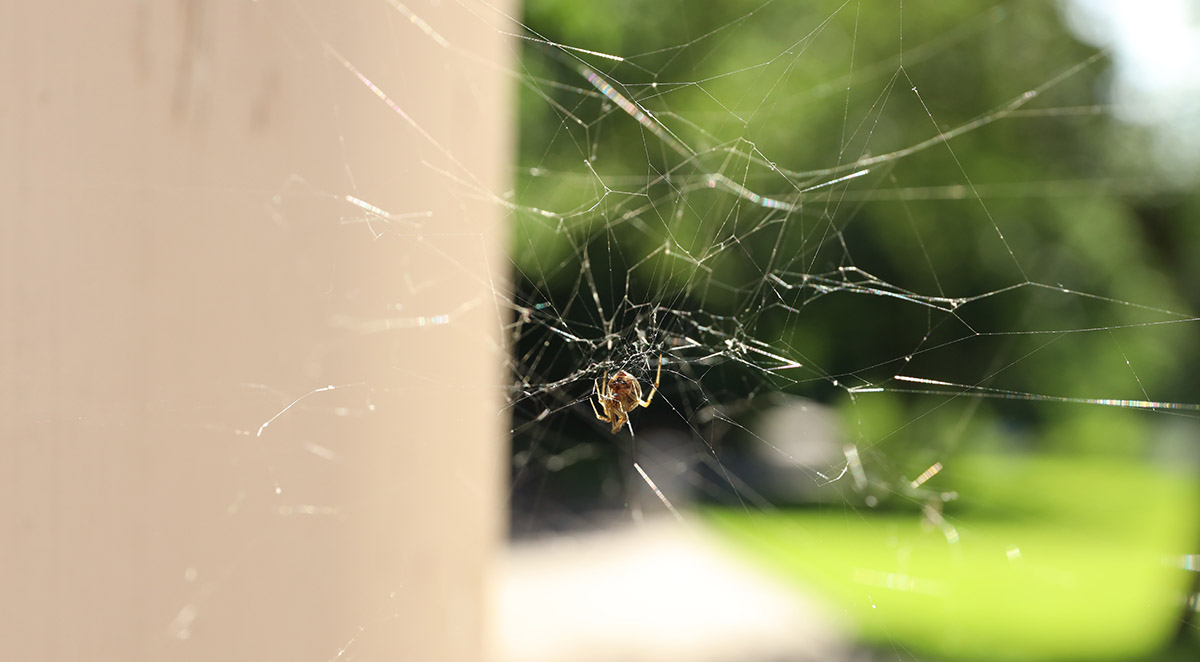
When the weather turns cooler in the fall, spiders seem to appear everywhere: in corners, along windowsills, and in the occasional web across a doorway. For most of us, it's less about danger and more about not wanting to share the house with eight-legged roommates. The good news is that a few consistent habits can make your home far less inviting to them.
Here's what actually draws spiders indoors, which ones matter in North Carolina, and the practical steps that keep them out. The secret, it turns out, has more to do with the other bugs in your home than with the spiders themselves.
Quick Summary:
- Spiders come indoors mainly to follow their food, which is other insects.
- The large majority of North Carolina house spiders are harmless and even beneficial.
- The most effective prevention is reducing the insects spiders feed on.
- Sealing entry points, cutting clutter, and managing outdoor lighting all help.
- Natural repellents can offer minor help but aren't a complete solution.
- Persistent activity, or concern about a widow or recluse, is a good reason to call a professional.
Why Spiders Come Inside
Spiders don't invade homes looking for you or your food. They come inside chasing prey, following their next meal wherever it leads.
Two things drive the fall spike people notice. First, many spiders reach maturity in late summer and fall and start moving around in search of mates. Second, as insects seek shelter from cooling temperatures, the spiders that eat them follow right along. As NC State Extension notes, web-building spiders tend to show up wherever insects are abundant, such as around porch lights, windows, and water sources.
The Good News: Most NC House Spiders Are Harmless
It's worth saying plainly: the spiders you're most likely to see indoors are not out to hurt you. Common house spiders, cellar spiders, and wolf spiders are nuisance pests at worst, and they actually help by preying on insects you'd like gone anyway.
North Carolina does have two species worth knowing: the black widow and, more rarely, the brown recluse. Both prefer quiet, undisturbed spots like woodpiles, cluttered storage, and the backs of closets, and a bite from either warrants prompt medical attention. That said, they're the exception, and the everyday spiders in your living room aren't a threat.
Because spiders are so beneficial outdoors, blanket spraying the yard for them usually does more harm than good. It can knock out helpful predators and leave you with more of the pest insects that attracted the spiders in the first place.
Common House Spiders You'll Actually See
Knowing what you're looking at takes a lot of the worry out of a spider sighting. A handful of species account for most indoor encounters in North Carolina, and none of them are aggressive.
The common house spider is small and brownish and builds those messy cobwebs in corners and along ceilings. Cellar spiders, sometimes called daddy long-legs, have thin bodies and long, delicate legs and prefer basements, closets, and crawl spaces. Wolf spiders are larger and hairier and don't build webs at all: they hunt on the ground and occasionally wander indoors, which can be startling given their size.
Orb weavers spin the large, wheel-shaped webs you see outside near lights and gardens, and they rarely come inside at all. Every one of these is doing you a quiet favor by eating other insects. Recognizing them for what they are, harmless hunters, makes it easier to focus prevention where it counts rather than panicking over every eight-legged guest.
How to Keep Spiders Out of Your House
Keeping spiders out is really about making your home a poor place to hunt and hide. These steps do exactly that.
Reduce Their Food Source
This is the big one. Spiders stay where there's prey, so the fastest way to fewer spiders is fewer insects.
Keep up with general pest control, and address any fly, gnat, or ant activity, and you remove the buffet that keeps spiders around. Handle the insects, and the spiders lose their reason to stay.
Seal Up Entry Points
Spiders slip in through the same gaps other pests use, so sealing them helps on every front. Focus on the openings that matter most:
- Gaps around doors and windows
- Worn or missing weatherstripping
- Cracks in the foundation
- Openings around utility lines and vents
Tightening up these spots keeps spiders and their prey outside where they belong.
Cut the Clutter
Spiders love quiet, undisturbed places to build webs and hide egg sacs. Cluttered garages, basements, closets, and storage boxes are prime real estate.
Decluttering and storing items in sealed bins removes those hiding spots. Regular vacuuming, including corners and under furniture, also pulls up spiders, webs, and eggs before they multiply.
Manage Outdoor Lighting
Outdoor lights attract flying insects at night, and those insects attract spiders. It's why porch lights so often have webs nearby.
Switching to yellow-toned or LED bulbs that draw fewer insects, or positioning lights away from doors, cuts down the crowd that lures spiders to your entryways.
Keep Webs Knocked Down
Regularly clearing webs from eaves, corners, porches, and windows discourages spiders from settling in. A broom or a burst of water from the hose is usually all it takes.
Persistent web removal signals that a spot isn't a safe place to set up shop, and many spiders will move along.
Natural and DIY Approaches
Plenty of home remedies get passed around for spiders, and some have modest merit. Essential oils like peppermint are often suggested as a repellent, and while they may have a mild effect, they aren't a reliable standalone fix.
The DIY steps that genuinely help are the practical ones: vacuuming, sealing gaps, decluttering, and reducing insects. Store-bought sprays, on the other hand, tend to offer only temporary results and don't address why spiders are coming in. A spray might clear the spiders you can see today, but if the underlying insect problem remains, new ones simply take their place within days.
When to Call a Professional
For most homes, the habits above keep spiders at manageable levels. But there are times when it's worth bringing in help.
Consider a professional if you're seeing persistent or growing spider activity, if webs keep returning no matter what you do, or if you've spotted a black widow or suspect a brown recluse. A professional can address both the spiders and the insect activity feeding them, which is the part DIY efforts usually miss. Our team stays honest about what your home actually needs, and we've earned a 5-star reputation with our neighbors by keeping it straight.
Frequently Asked Questions
Why do I suddenly have so many spiders in the fall?
Fall is when many spiders mature and search for mates, and it's also when insects move indoors ahead of cooler weather. The spiders follow their food inside, which is why activity seems to spike all at once.
Are the spiders in my house dangerous?
Almost always, no. The vast majority of North Carolina house spiders are harmless and even helpful. The two exceptions to know are the black widow and the brown recluse, which prefer undisturbed areas and warrant medical attention if they bite.
Do natural repellents like peppermint oil actually work?
They may have a mild deterrent effect, but they aren't a complete solution. The habits that truly reduce spiders are sealing entry points, decluttering, vacuuming, and controlling the insects they eat.
Will killing the spiders I see solve the problem?
Not on its own. As long as your home offers insects to eat and places to hide, new spiders will keep arriving. Removing the food source and the shelter is what makes the difference.
How do I keep spiders out of the garage or basement?
These spaces attract spiders because they're quiet and often cluttered. Declutter, store items in sealed bins, seal gaps, vacuum regularly, and reduce moisture and insects to make them far less appealing.
Do lots of spiders mean I have another pest problem?
Often, yes. A noticeable jump in spiders usually means there's a healthy supply of insects for them to eat. If you're seeing plenty of spiders, it's worth looking into what else might be active in and around your home.
Take Your Home Back From Spiders
Keeping spiders out isn't about chasing every web with a can of spray. It's about removing what brings them in: the insects they hunt and the clutter and gaps they hide in.
Stay consistent with those habits, and you'll see far fewer eight-legged visitors. If spiders keep showing up anyway, or a venomous species has you concerned, reach out through our contact page or learn more about our general pest control services, and we'll help you get comfortable in your home again. You can also confirm we cover your town on our service areas page.