
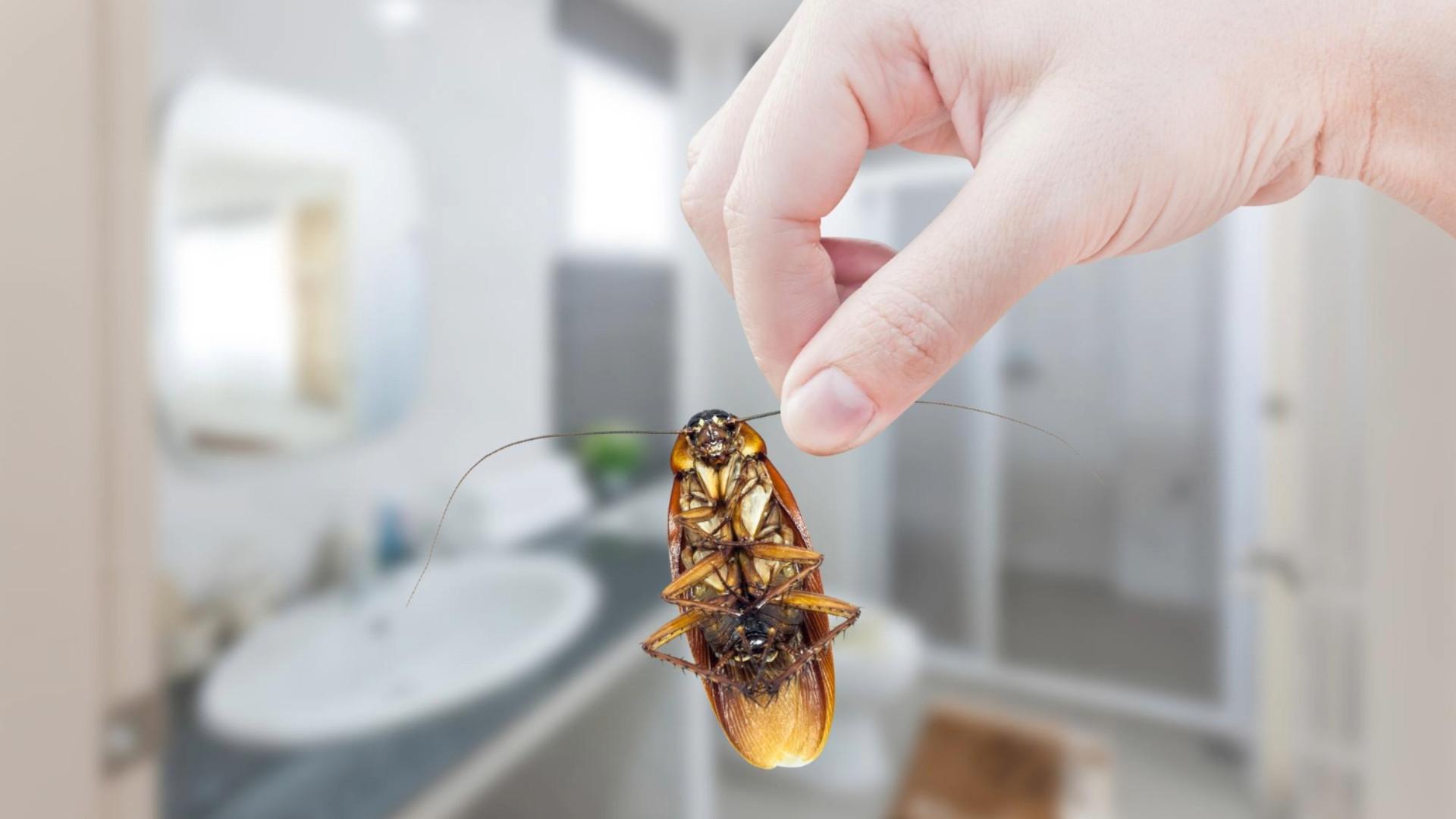
Few things rattle a homeowner like spotting a cockroach, and the first question is almost always the same: where did it come from? Roaches get inside in two very different ways, and knowing which one you're dealing with is the key to stopping them. Here's where they come from and how to keep them out for good.
Quick Summary
- Roaches get in two ways: hitchhiking inside on items you bring home, or entering from outside through gaps and drains.
- German cockroaches are usually carried in with groceries, boxes, appliances, or secondhand items.
- Larger roaches like American cockroaches wander in from drains, sewers, mulch, and cracks.
- They stay for food, water, warmth, and moisture, and North Carolina's humid summers make it worse.
- Sealing entry points and removing food and moisture keeps them out. Heavy cases need a pro. Contact us for help.
The Two Ways Roaches Get Into Your Home
Every roach problem starts one of two ways: the roaches are either brought in or they come in on their own. It sounds simple, but the distinction matters, because the two paths involve different species and call for different responses. Figuring out which one is happening in your home points you toward the fix.
Getting this right saves a lot of wasted effort. Sealing the exterior does little for roaches that arrived inside a grocery bag, and cleaning the pantry does little for roaches marching in from a drain.
Roaches You Bring In
The most common indoor roach, the German cockroach, rarely comes from outdoors. Instead, it hitchhikes inside on the things we carry home. Grocery bags, cardboard boxes, secondhand furniture and appliances, and packages can all harbor a few roaches or an egg case, and that's all it takes to start an infestation.
This is why German roaches often appear in apartments, and why a spotless home can still end up with them. Used appliances like microwaves and toasters are notorious hiding spots, since they offer warmth and dark crevices. Once inside, German roaches breed fast, which is what turns a couple of stowaways into a serious problem.
Roaches That Come In From Outside
Larger roaches, like the American cockroach, are a different story. These typically live outdoors and wander inside, especially during summer heat, heavy rain, or drought when conditions push them to seek shelter, water, or relief. In our area, people often call them palmetto bugs or water bugs.
They come in through the connections between your home and the outside world: drains, sewer lines, gaps around plumbing, and cracks in the foundation. Mulch beds, woodpiles, and damp areas against the house give them a staging ground right next to your walls, making the trip indoors a short one.
Common Cockroach Entry Points
Roaches exploit the small openings most homes have. The usual entry points include:
- Gaps around plumbing and utility lines where they enter walls
- Drains and sewer connections, a favorite route for larger roaches
- Cracks in the foundation and gaps around windows and doors
- Worn door sweeps and thresholds
- Vents and weep holes
- Anything carried in from outside, from boxes to used appliances
Why You Have Roaches
Roaches stay where their basic needs are met: food, water, warmth, and shelter. Crumbs, pet food, grease, and accessible trash provide the food, while leaks, condensation, and damp areas provide the water they arguably need even more. Clutter gives them the dark, tight spaces they love to hide and breed in.
Two things are worth clearing up. First, roaches are not purely a cleanliness issue, since even tidy homes get them, though sanitation does make a big difference with German roaches. Second, North Carolina's warm, humid summers are practically ideal for roaches, which is why activity climbs this time of year.
Signs You Have a Roach Problem
Roaches are secretive, so the evidence usually shows up before the insects do. Common signs include:
- Live roaches scattering when you turn on a light at night, often in the kitchen or bathroom
- Small dark droppings that look like coffee grounds or ground pepper, in cabinets, drawers, and along edges
- A musty, oily odor as the population grows
- Egg cases, small brown capsules tucked into cracks and corners
- Shed skins near hiding spots
Seeing roaches during the day is a red flag, since it often means the hiding spots have grown crowded. That's a sign to act sooner rather than later.
How to Stop Cockroaches From Getting In
Keeping roaches out comes down to closing their routes and removing their reasons to stay. Work through these steps:
- Seal entry points, including gaps around pipes, cracks in the foundation, and worn door sweeps.
- Fix moisture problems, from leaky faucets and pipes to damp crawl spaces and poor drainage.
- Keep drains maintained and use stoppers, since drains are a common highway for larger roaches.
- Store food in sealed containers, clean up crumbs and grease, and take out trash regularly.
- Reduce clutter, and inspect groceries, boxes, and secondhand items before bringing them inside.
Are Cockroaches a Health Concern?
Beyond the unpleasant factor, roaches are a genuine health issue, which is part of why stopping them matters. Their droppings, shed skins, and saliva contain allergens that can trigger asthma and allergies, especially in children. Roaches also travel through drains, garbage, and other unsanitary places, then across your counters and food-prep surfaces, where they can spread bacteria.
German cockroaches raise the most concern, since they live indoors in large numbers and stay close to kitchens and food. The health angle is a good reason not to shrug off a few sightings, because a small indoor problem can grow quickly.
When You Need a Professional
Some roach problems can be managed with diligence, but German cockroach infestations are notoriously hard to beat on your own. They breed quickly, hide in inaccessible spaces, and many retail sprays are repellent based, which scatters them deeper into walls and adjacent rooms rather than eliminating them. That often makes a problem worse and harder to treat.
If you're seeing roaches regularly, especially small ones in the kitchen or bathroom, professional treatment targeted to where they hide and breed is the reliable path. It addresses the population at its source instead of chasing individuals.
How Holloman Handles Cockroaches
We start by identifying the species and figuring out how they're getting in, because that determines everything about the fix. For German roaches, that means targeted treatment of their harborage plus guidance on the sanitation and sealing that keep them from returning. For larger roaches coming in from outside, it often means addressing moisture and closing exterior entry points.
We've protected North Carolina homes since 1954, and our roach control service reflects that experience. We keep recommendations honest and pressure-free, there's no long-term contract, and we're 5-star rated on Google. If roaches keep turning up, we'll find out why and put a stop to it.
Frequently Asked Questions
Where do cockroaches come from in a clean house?
Often they're brought in, not a result of cleanliness. German roaches hitchhike inside on groceries, boxes, and used appliances, so even spotless homes get them. Larger roaches wander in from drains and gaps around the exterior.
How do roaches get into your house?
Through gaps around plumbing and utilities, drains and sewer lines, foundation cracks, worn door sweeps, and vents, or by hitchhiking inside on items you bring home. Sealing these routes is a key part of keeping them out.
Why do I suddenly have roaches in summer?
North Carolina's warm, humid summers create ideal conditions for roaches, and hot or wet weather also drives outdoor roaches indoors in search of shelter and water. Activity naturally peaks in the warmer months.
Can I get rid of roaches myself?
Minor issues sometimes respond to sealing, cleaning, and moisture control. German cockroach infestations are much harder, since they breed fast and retail sprays often scatter them. Professional treatment is usually needed to fully clear them.
Do roaches mean my house is dirty?
No. Roaches are drawn to food, water, and warmth, and even clean homes provide those. Sanitation helps, especially with German roaches, but anyone can get them regardless of how tidy the home is.
How long does it take to get rid of roaches?
It depends on the species and severity. A minor issue may clear quickly, while an established German roach infestation can take several weeks and follow-up visits to fully break the breeding cycle. Consistency is what finishes the job.
The Bottom Line
Cockroaches get into your home one of two ways: carried in on the things you bring home, or wandering in from outside through gaps and drains. Knowing which you're dealing with, then sealing entry points and cutting off food and moisture, is how you keep them out. For stubborn German roach problems, professional help is the dependable fix.
If roaches keep showing up no matter what you try, let us find the source and stop them. Send Us a Message or Call Now: (910) 892-7438.